Tailoring Sleep: How Individual Chronotypes Inform Your Bed Setup
Explore how your natural sleep-wake preferences—chronotypes—shape the ideal sleep environment. This guide translates sleep science into practical bedroom adjustments, from lighting to mattress selection, for personalized rest. A Vogue-worthy approach to equilibrium between biology and interior design.
The Chronotype Spectrum: Morning Larks, Night Owls, and In-Between
Chronotypes describe when you are biologically inclined to be alert and when you crave rest. Think of them as a private timetable tuned to your physiology. Classic archetypes include morning larks, who wake with the sun and clock their most productive hours in the early day; night owls, who find their stride as twilight deepens; and intermediates who inhabit a flexible middle ground. These tendencies influence your preferred bedtimes, wake times, and even your subjective sense of comfort in a sleeping space.
From a design perspective, chronotypes whisper about how to tailor the bedroom environment. A space that accommodates your natural tempo—without forcing a one-size-fits-all routine—feels less like a room and more like a personal sanctuary. The result is a restorative environment that supports your circadian alignment and mood, morning and night alike.
Practical Adjustments by Chronotype: Lighting, Temperature, and Acoustics
Lighting is the most intimate orchestra conducted in the bedroom. For morning larks, a bright, crisp morning light helps anchor the wake hour with minimal friction. Consider a wake-friendly lighting plan that simulates dawn or employs a vibrant, daylight-mimicking lamp in your routine. Night owls, conversely, may benefit from a shielding lighting strategy—warm, dim, and evenly distributed—to ease into sleep without jolts. Intermediates can benefit from a flexible lighting system that shifts gradually from warm to cool hues as the night progresses.
Temperature plays a crucial supporting role. A cooler sleeping environment tends to promote deeper rest, particularly for those who peak later in the day. If your chronotype leans toward later sleep onset, a modestly cooler room before bed can be a gentle nudge toward sleep. For early risers, a slightly warmer pre-sleep atmosphere can ease the transition and still preserve circadian timing.
Acoustics influence sleep continuity just as profoundly as light and climate. Sound masks and ambient noise control can be customized to chronotype-driven routines. Softer, more diffuse ambient sound can quiet the mind for night owls, while a brighter, more defined soundscape may align with morning-oriented rhythms. The goal is a quiet, predictable sleep corridor that reduces micro-arousals and supports stability in sleep stages.
Choosing Sleep Products: Mattress Type, Pillow Firmness, and Bed Height
Evidence-based personalization begins with the core sleep surfaces. The chronotype lens invites a thoughtful evaluation of how gear feels to you in your preferred schedule. For example, those who wake early often prioritize a mattress with a crisp, responsive surface that supports quick, refreshing starts. Night owls may favor pressure relief and contour, aligning with later bedtimes and longer sleep durations. Intermediates benefit from balanced combinations that support versatility across sleep phases.
Pillow firmness should complement your preferred sleeping posture and chronotype-driven routines. Side sleepers who tend to wake with stiffness might prefer a supportive yet forgiving contour, while back sleepers could benefit from a slightly firmer plane that sustains spinal alignment. For restless or late-night routines, consider adaptive pillows that respond to subtle shifts during sleep cycles.
Bed height can subtly influence ease of movement in and out of bed, a factor that becomes meaningful when your chronotype intersects with mobility or nocturnal routines. A bed height tailored to your biomechanics enhances comfort, reduces strain upon waking, and supports a smoother transition between sleep and wakefulness.
Productive Pairing: A Curated Bed Frame and Adjustable Base
To translate chronotype-informed sleep goals into a tangible space, a thoughtful bed frame paired with an adjustable base can be the protagonist of your sleep story. The idea is to harmonize ergonomic support, customization, and aesthetics in a way that feels instantly luxurious and entirely personal.
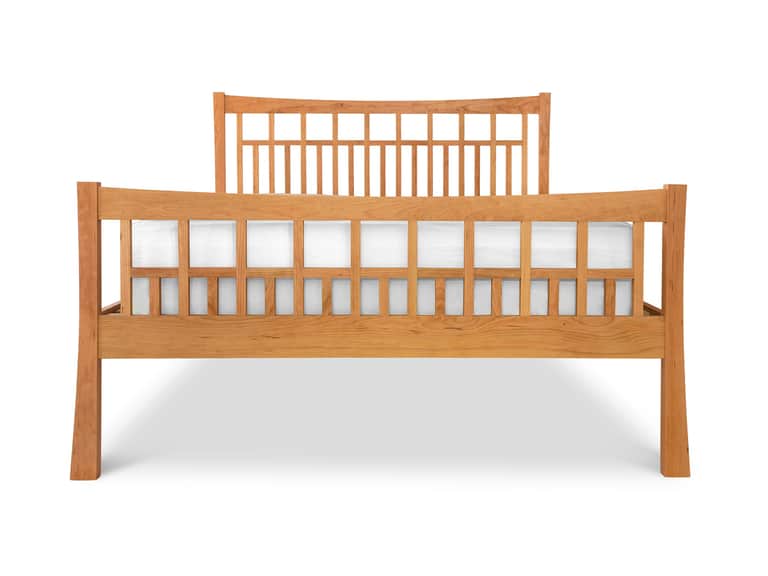
Contemporary Craftsman High Footboard Bed
Solid Wood Bed crafted to order in Vermont in Cherry, Maple, or Walnut with an eco-friendly oil finish. The high-footboard platform surface exudes timeless refinement while delivering robust, lasting support for a bespoke sleep experience.
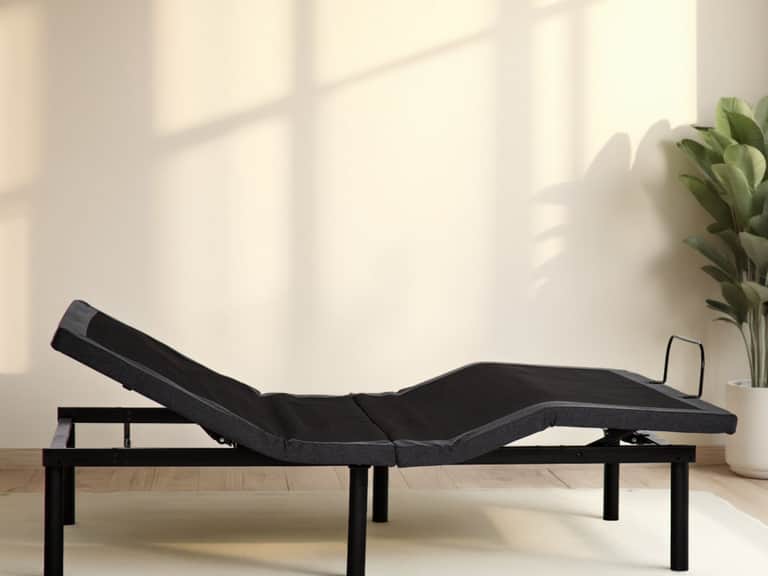
View ProductThe Clean Bedroom (Level 3) Adjustable Bed Base
A luxury adjustable base offering independent head and foot lifts, head tilt, dual USB ports, and preset positions. Built for compatibility with most frames, it adds sophistication and adaptive comfort to every chronotype-driven routine.
View ProductNote: Availability may vary by region. Images shown demonstrate contemporary, premium styling that complements a range of bedroom aesthetics.
Three Key Historical Figures: Chronotypes through Time
Hippocrates (c. 460–370 BCE)
While best known for medicine, Hippocrates championed natural rhythms in health. His early theories on humors implicitly connected body, mood, and daily cycles. In the context of bed setup, this legacy hints at harmony between physiology and environment—a primitive blueprint for aligning sleep with innate rhythms.
Jean-Jacques Rousseau (1712–1778)
Philosopher of nuance and nuance of rhythm, Rousseau’s era celebrated the interplay between nature and social life. In sleep culture, his sensibility underscores that a bedroom should reflect personal tempo rather than conformity—an invitation to sculpt your sanctuary around how you truly rest.
Virginia Woolf (1882–1941)
A chronicler of interior life, Woolf understood the world as felt in rooms, rituals, and routines. Her lens reminds us that the bed and its surroundings are a stage for intimate, personal narratives—an ideal frame for a chronotype-driven sleep philosophy.
A Vogue-Esque Bedtime Ritual: Creating Your Bespoke Sleep Narrative
In the spirit of Bespoke Sleep Knowledge, the bedroom becomes a curated vignette—an ongoing editorial where every choice whispers “you.” From the soft sheen of cherry wood to the glow of ambient lighting and the adaptive comfort of an adjustable base, you choreograph rest as a living, breathing design. The chronotype lens empowers you to edit, refine, and elevate with intention, so that every night unfolds like a page from a fashion-forward diary of rest.
To begin, craft a starter kit of few essentials tailored to your rhythm: a lighting scheme that shifts with the hour, a temperature and sound plan that supports your circadian alignment, a mattress and pillow pairing that depends on your sleep posture, and a bed base that grows with your needs. Treat sleep as a luxury that is recalibrated weekly as life’s tempo changes.
Starter Checklist for the Chronotype-Driven Bedroom
- Identify your predominant chronotype (morning, night, or intermediate) through a simple sleep diary for two weeks.
- Set dawn-simulating lighting to support morning wakings, paired with dim, warm light for pre-sleep hours if you lean toward evening activity.
- Adjust room temperature incrementally with bedtime to find a stable, comfortable range that favors your sleep onset timing.
- Choose a mattress and pillow that balance support and pressure relief for your typical sleeping posture and chronotype-driven routines.
- Pick a bed frame height that facilitates easy access in your daily ritual—ensuring ease when awakening and winding down.
Final Thoughts: Personalizing Sleep with Evidence and Style
The Bespoke Bed is a commitment to rest that respects your biology while indulging in design refinement. Chronotypes offer a practical lens—an invitation to tailor the environment you inhabit during your most intimate hours. The bed becomes a canvas for science and aesthetics to converge into a single, elegant habit. And as you experiment with lighting, temperature, acoustics, and product choices, you sculpt a sleep space that feels less like a bedroom and more like a runway for your well-being.
If you’d like, I can draft a detailed site map and a content calendar for BespokeBed.com, focusing on Direction B: Sleep Science and Wellness Information. This plan would include long-form guides, myth-busting FAQs, expert interviews, and curated product roundups—always with a personalization-first approach and the signature Vogue sensibility.