Sleep, considered
Inside the Vispring Elite: Pocket Springs, Comfort Layers, and Firmness
A mattress is more than its label: it is a carefully assembled meeting of structure, cushioning, and personal preference. The Vispring Elite brings together individually responsive pocket springs and natural upholstery materials. Understanding how those elements interact offers a more useful way to consider its character than relying on a single firmness word.
A closer look at what “support” means
In the vocabulary of mattresses, support is often made to sound like a simple matter of firmness. In practice, the terms describe different qualities. Support concerns how a mattress holds the body in a comfortable, reasonably aligned position. Firmness is the subjective impression of how soft or resistant its surface feels. A mattress can feel gently cushioned at first contact while still offering substantial underlying resistance; another can feel firm on the surface without being comfortable for every sleeper.
The Vispring Elite is an innerspring mattress, a category defined by a spring-based support structure. In a pocket-spring design, individual springs sit in fabric pockets rather than being connected as one continuous metal network. That arrangement allows each spring to respond to pressure in its vicinity. Above that structure, comfort materials influence the initial feel, pressure relief, and the way the mattress settles beneath the body.
It is the relationship between these layers—not one material in isolation—that shapes the experience. A spring unit may provide resilient support, while upholstery softens the first impression and helps distribute pressure. For a thoughtful comparison, consider the entire construction and how it may suit your body, position, and preferences.
Pocket springs: individual response, shared support
Picture a field of small, upright coils, each enclosed in its own textile sleeve. When weight presses into one area, the nearby springs can compress more independently than the linked coils found in many traditional innerspring designs. This independent response is the essential idea behind pocket springs. Rather than making the whole mattress move as one unit, the construction is intended to adapt locally to pressure.
That responsiveness may be appealing to people who share a bed. When one sleeper changes position, an individually responsive spring system can limit how much movement travels across the surface compared with some interconnected designs. It does not mean motion is eliminated: the mattress’s full construction, the sleeper’s movements, and the condition of the base all play a part. Still, the pocketed format offers a distinctive alternative to a more unified spring network.
Springs also contribute a buoyant, resilient quality. Many sleepers describe an innerspring mattress as having a more immediate push-back than a deeply contouring foam surface. That sensation can make turning or changing position feel less effortful for some people. Others prefer the closer, slower-moulding feel of foam. Neither response is a universal measure of quality; it is a matter of how a particular body interprets a particular surface.
Spring count alone is not a reliable shortcut to comfort. The number of springs, their dimensions, arrangement, and tension matter, as do the materials above them and the mattress’s overall construction. A higher count does not automatically establish superior support or a better fit. When reviewing specifications for the Vispring Elite, look for model-specific details from the manufacturer or retailer, and consider them alongside a personal trial rather than treating a single figure as a verdict.
Natural comfort materials and the feel of the surface
The Elite’s natural upholstery layers are part of its identity, but “natural” is a broad description, not a complete specification. Different fibres and fillings can vary in loft, resilience, breathability, and how they respond to repeated compression. Their placement and quantity matter, too. To understand what a particular mattress contains, consult the current product specification rather than assuming a material or composition from the category alone.
Comfort layers sit between the body and the main support structure. They can soften contact, help relieve pressure around areas such as the shoulders and hips, and create the first impression of the mattress. Some materials feel springy and buoyant; others feel more yielding or enveloping. A natural filling may also appeal to shoppers who prefer to understand the materials close to their skin. Yet no material, by itself, guarantees a cooler night, superior durability, or a particular health outcome.
Breathability is a subject worth approaching with care. How warm a bed feels can depend on the sleeper, room temperature, sleepwear, sheets, duvet, mattress construction, and airflow around the bed. Material descriptions can offer useful clues, but they cannot predict every person’s experience. If temperature is a recurring concern, consider the whole sleep environment, including bedding and bedroom conditions, rather than expecting one mattress feature to solve it.
Natural materials may change in feel as they are used. Softening or settling can be part of how upholstery responds to regular pressure, although the degree and timing depend on construction and use. Follow the care instructions provided for the exact model. If the manufacturer recommends rotating the mattress, use its guidance; do not assume that every mattress should be flipped or rotated in the same way.
Firmness is personal—not a universal scale
Mattress firmness is often described with a numbered scale or a handful of labels: soft, medium, firm. These can be useful shorthand, but they are not perfectly standardized. A “medium” mattress from one maker may not feel identical to a “medium” from another. Even within one model, two sleepers may report different impressions because they bring different body shapes, weights, sensitivities, and habits to the same surface.
Body weight influences how deeply a person settles into a mattress. A lighter sleeper may experience a surface as firmer because they compress its comfort layers less, while a heavier sleeper may engage those layers and the underlying springs more fully. These are broad tendencies, not rules. Personal comfort depends on more than weight, and the best assessment is an actual, appropriate trial wherever possible.
Sleep position provides another useful lens. Side sleepers often pay close attention to cushioning around the shoulder and hip, where pressure can become noticeable. Back sleepers may prioritize a balanced combination of comfort and support through the torso. Stomach sleepers commonly look for a surface that feels stable and does not allow excessive sinking through the middle. These observations can help frame a showroom test or home trial, but they should not be treated as medical advice or as a rigid formula.
Combination sleepers—those who change positions through the night—may want to notice how easily they can turn and whether the surface feels supportive in more than one posture. A mattress that feels luxurious for a few minutes in one position may not be the most comfortable after several hours. Take time to lie in your usual positions and notice whether pressure, sinking, or restlessness develops.
For couples, the decision is a negotiation between two bodies and two sets of preferences. One person may prefer a more cushioned surface while the other seeks a firmer feel. Consider whether the mattress is offered in configurations that suit each sleeper, and review the practical details of size, delivery, trial terms, and returns before deciding. A shared bed should be assessed as a shared environment, not simply as one person’s favourite showroom moment.
How to assess the Vispring Elite in person
When trying the Vispring Elite, begin with a question more precise than “Is it comfortable?” Notice how the surface feels as you lie down, then how your body feels after remaining still for several minutes. Does the cushioning seem welcoming without feeling unstable? Can you shift position naturally? Are there areas where pressure becomes distracting? These observations make comparison more meaningful and easier to remember later.
- Test your usual sleep positions. Spend time on your side, back, or stomach as appropriate, rather than judging the mattress from a single position.
- Separate first impression from sustained comfort. A plush surface can feel inviting immediately, while support and pressure comfort take longer to assess.
- Compare like with like. If possible, try several mattresses using a similar pillow and the same amount of time on each.
- Ask for exact specifications. Confirm the model’s spring configuration, upholstery materials, firmness options, and care guidance from current product information.
- Review the practical terms. Check the trial period, delivery arrangements, warranty conditions, and return policy before purchase.
A showroom can reveal a great deal, but a short test is not the same as sleeping on a mattress at home. If a trial is available, read its conditions carefully: the eligible period, required setup, collection costs, and any care requirements may affect the experience. Keep the mattress in the condition required by the policy, and allow yourself time to form a fair impression rather than making a decision from the first night alone.
The bed beneath the mattress matters
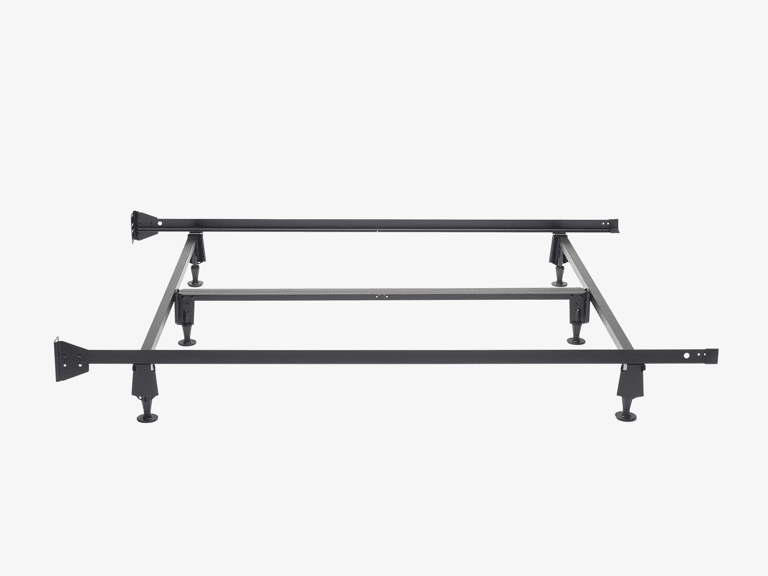
A mattress is not experienced in isolation. Its foundation or bed frame can affect stability and may influence how the overall sleep surface performs. Before choosing a base, confirm that it is compatible with the specific Vispring Elite model and follows the manufacturer’s requirements for support. Pay attention to any guidance about slat spacing, central support, and the use of a divan or other foundation.
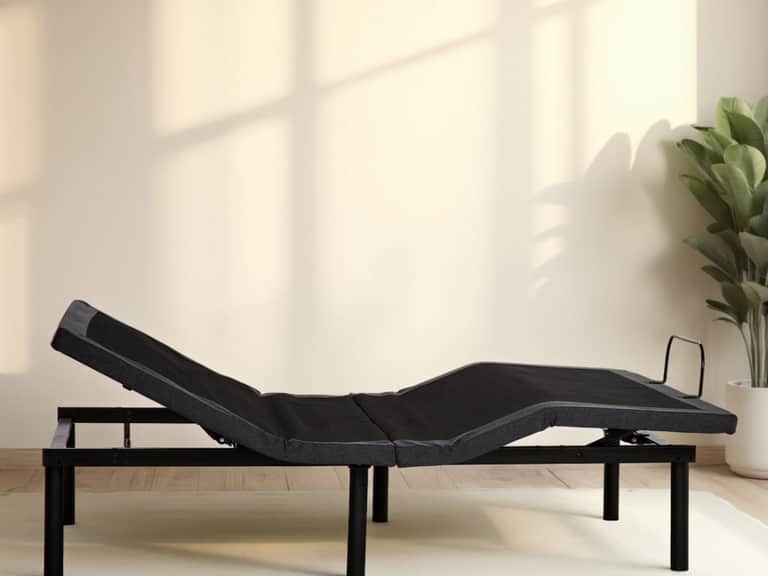
Compatibility is especially important when considering an adjustable base. Not every innerspring mattress is designed for every adjustable platform, and bending a mattress beyond its intended range may affect performance or warranty coverage. Confirm written compatibility with the mattress maker before combining the two. Adjustable positioning can be useful for activities such as reading in bed, but it is a separate decision from selecting a mattress’s firmness and upholstery.
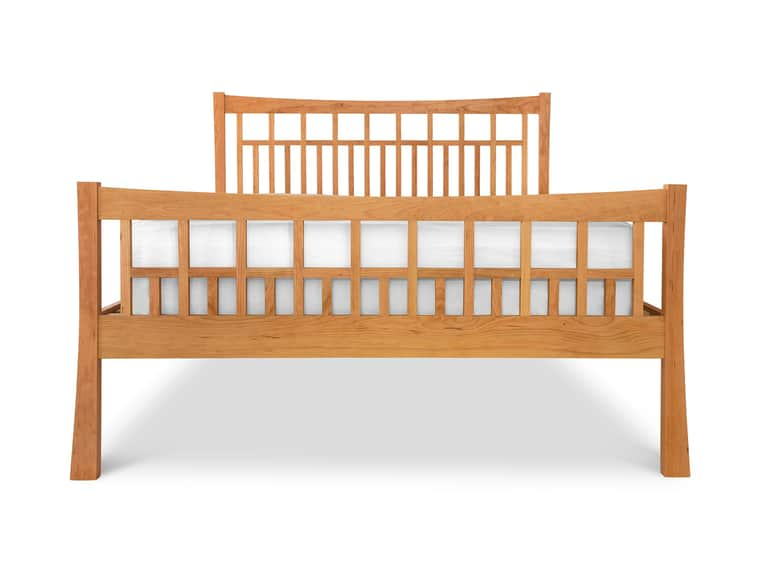
The frame also contributes to the room’s visual language. A low platform, upholstered base, or crafted wooden bed creates a different atmosphere, but aesthetics should sit alongside sound support and correct dimensions. A mattress deserves a stable foundation; a beautifully composed bedroom should also work quietly and practically, night after night.
What the Elite may—and may not—tell you about sleep
A well-chosen mattress can contribute to a more comfortable sleep setting, but it cannot promise restorative sleep on its own. Sleep is influenced by routines, health, stress, light exposure, noise, temperature, and many other factors. A mattress may be one meaningful part of the picture, particularly if an existing surface has become uncomfortable, but it should not be presented as a treatment for pain, insomnia, circulation problems, or any other medical condition.
If persistent discomfort or disrupted sleep is affecting daily life, a qualified healthcare professional can help assess possible causes. Mattress shopping is best understood as a comfort and fit decision, not a substitute for care. That distinction allows the subject to remain both useful and honest: a thoughtfully chosen sleep surface can support a personal routine without carrying the burden of claims it cannot substantiate.
Likewise, “natural” should be read as a material description rather than a promise of environmental perfection. Shoppers who care about sourcing, manufacturing, or certifications can ask for documentation that applies to the exact model and its individual components. Clear, model-specific information is more valuable than broad language alone.
A considered comparison checklist
Before making a decision, bring the comparison back to a few essentials. First, establish what the current model actually contains: spring construction, upholstery materials, available comfort choices, and any care instructions. Product specifications can change, so confirm details at the time of purchase. Avoid relying on descriptions from an older listing or on assumptions drawn from a broader product family.
Next, consider your own experience. Think about your usual sleep position, whether you sleep alone, your preferred degree of surface cushioning, and any recurring pressure or temperature concerns. These are not formulas for identifying a perfect mattress, but they help turn vague preferences into useful questions. If you are unsure whether you prefer a firmer or more yielding feel, compare several options in person and note what feels comfortable after sustained contact.
Finally, consider the decision as a whole. Size, delivery access, base compatibility, trial conditions, and long-term care may be less glamorous than the first impression, but each can shape satisfaction. A premium construction only makes sense if it suits the room, the body, and the realities of daily use.
- Confirm current, model-specific construction details rather than inferring them from general descriptions.
- Assess both surface comfort and the sense of support in your normal sleeping positions.
- Consider how your body responds to the mattress, while remembering that firmness perception varies.
- Check that the bed base meets the mattress maker’s support and compatibility requirements.
- Read trial, warranty, delivery, and care policies before committing.
The quiet appeal of considered construction
The Vispring Elite invites attention to the details beneath the bed’s finished surface: pocketed springs designed to respond individually, and natural comfort layers that contribute to the way the mattress feels. Its character cannot be reduced to a single label. The interaction of responsive support and upholstery, the sleeper’s own body, and the foundation underneath all help determine whether it feels right.
For anyone comparing innerspring mattresses, that is the more revealing way to approach the decision. Look beyond the language of luxury and ask how the construction meets your actual preferences. Notice whether the spring response feels buoyant or too lively, whether the comfort layers ease pressure, and whether the overall firmness remains pleasant in the positions you use most. A mattress is, after all, experienced privately and repeatedly—not as a specification sheet, but as part of the rhythm of everyday life.
The most persuasive choice is not necessarily the firmest, softest, or most elaborate. It is the one whose support, surface feel, materials, and practical details align with the person sleeping on it. With careful comparison and verified information, the Vispring Elite can be considered on those terms: as a particular combination of pocket-spring structure and natural upholstery, to be judged by its construction and by how it feels to you.